
Many people suffer from pain that shoots down their leg and wonder, what is sciatic nerve pain? This type of pain starts in the lower back and travels through the hips and buttocks, often reaching one or both legs. It is caused when the sciatic nerve, the largest nerve in the body, becomes irritated or compressed. While it can feel overwhelming, understanding its cause is the first step toward finding pain relief from sciatic nerve pain.
One reason this condition causes confusion is because it often gets mixed up with lower back pain. However, what about sciatic nerve pain sets it apart is how it moves down the leg and may feel like burning, tingling, or numbness. Knowing this distinction is important when seeking proper care. Thankfully, there are many options for pain relief for sciatic nerve pain, ranging from gentle home remedies to professional treatments.
As we explore more about this condition, we’ll answer common questions like what is treatment for sciatic nerve pain and how to ease symptoms naturally. We’ll also take a closer look at sciatic nerve pain relief exercises that can help reduce pressure on the nerve. These targeted routines can make daily movement easier and improve your quality of life.
Whether you’re dealing with pain after an injury or it’s simply gotten worse over time, you’re not alone. Millions of people are searching for ways to gain pain relief from sciatic nerve pain. With the right information and care, you can take meaningful steps toward recovery and finally begin to feel better.
Understanding Sciatic Nerve Pain.
Definition and explanation of the sciatic nerve’s role
The sciatic nerve is the biggest nerve in your body. It starts in your lower back and runs down your hips, legs, and feet. This nerve helps you feel and move your legs. If it gets hurt or squeezed, you feel pain in your lower body.
So, what is sciatic nerve pain exactly? It means something is pushing on or bothering your sciatic nerve. This can make your lower back, bottom, or legs feel sore, weak, or tingly. The pain can be light or very sharp, and it might go away or come back.
Many people wonder what is sciatica nerve pain and how it works. It’s just another way of saying pain that comes from the sciatic nerve. This pain usually happens on one side of your body, not both. Because the nerve is so big, the pain can reach from your back all the way down to your toes.
Now, when we talk about pain relief for sciatic nerve pain, we mean doing things to stop the nerve from being hurt. That might include resting, stretching, or using ice or heat. Once the pressure is gone, the pain often goes away.

How sciatic nerve pain manifests in individuals
What about sciatic nerve pain in real life? It doesn’t always feel the same for everyone. Some people say it feels like burning or stinging. Others say it’s a dull pain or like pins and needles. The pain can stay in one place or move down your leg.
You might feel pain when sitting, walking, or standing up. In some cases, your leg might feel weak or heavy. This makes it hard to walk or climb stairs. Even coughing or sneezing can make the pain worse for some people.
It’s normal to ask what is treatment for sciatic nerve pain when you feel this kind of pain. Most people don’t need surgery. Simple treatments can help a lot, especially if the pain is mild or new. Things like gentle movement and rest work well in the beginning.
Still, if the pain sticks around, you might need more help. Some people find pain relief from sciatic nerve pain with massage or chiropractic care. Others use over-the-counter creams or work with a doctor for medicine or therapy. The goal is to stop the nerve from being squeezed.
Differences between sciatic nerve pain and lower back pain
Many people confuse what is sciatic nerve pain with regular lower back pain. But they’re not the same. Sciatic pain starts in the back but travels down your leg. Lower back pain often stays only in the back and doesn’t go past the hips.
Another big difference is how the pain feels. Sciatic pain might feel sharp, electric, or like burning. Lower back pain is more like aching or stiffness. Both can hurt a lot, but they have different causes and treatments.
For example, sciatic nerve pain relief exercises focus on stretching the legs and hips. These help the sciatic nerve move better. On the other hand, lower back pain exercises usually focus on the spine and core muscles. Knowing the type of pain helps you choose the right exercise.
Because of these differences, it’s smart to talk to a doctor or therapist. They can help you figure out if you need pain relief for sciatic nerve pain or help for something else. Getting the right help means you’ll feel better faster.
Common symptoms and warning signs
So, what are some signs to watch for? The most common sign is pain that starts in the lower back and travels down one leg. You might also feel tingling, numbness, or a burning feeling. These are signs that the nerve is upset.
Another warning sign is when one leg feels weaker than the other. You may trip more, walk slower, or feel like your leg won’t move right. These changes should not be ignored. They mean your sciatic nerve needs help.
Often, these signs come after doing too much bending or lifting. But sometimes they happen for no clear reason. That’s why it’s important to listen to your body. If the pain lasts more than a few days, it’s time to look for pain relief from sciatic nerve pain.
You don’t have to wait until it gets really bad. Doing sciatic nerve pain relief exercises early can stop the pain from getting worse. Stretching, walking gently, and resting the right way are great first steps. With care, you can feel better and stay active.
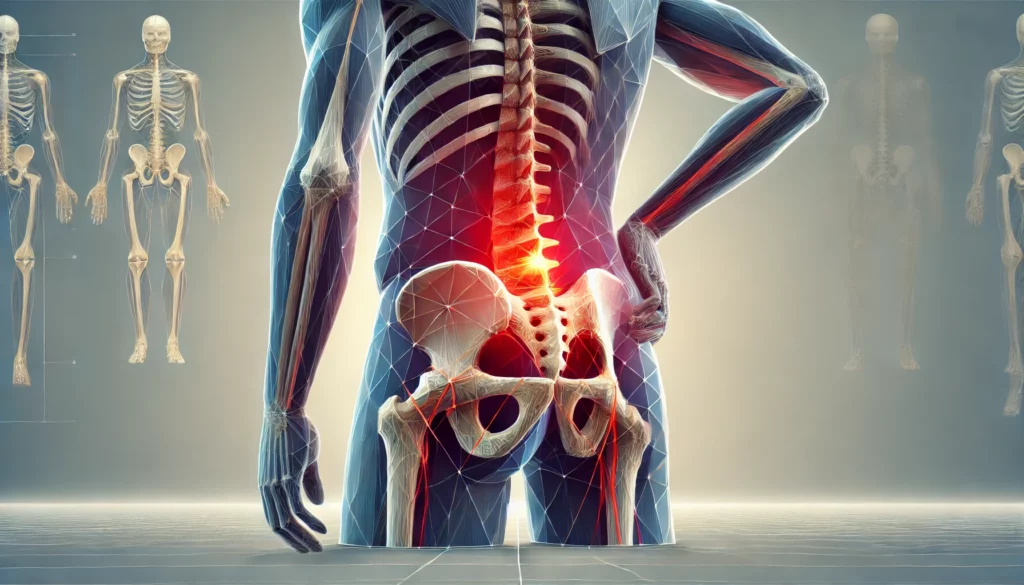
What Causes Sciatic Nerve Pain?
Herniated discs and their impact on the sciatic nerve.
A herniated disc happens when one of the soft pads between your spine bones slips out of place. These discs are like cushions that protect your spine. When one breaks or moves, it can press on your sciatic nerve and cause pain. This is one of the main answers to what is sciatic nerve pain.
This pressure on the nerve can make your back, leg, or foot feel sore, numb, or tingly. Sometimes, the pain feels sharp and makes it hard to sit or stand. People may look for pain relief for sciatic nerve pain by lying down or changing how they sit.
Even though a herniated disc can sound scary, it often gets better with rest and care. Many people do sciatic nerve pain relief exercises that stretch and strengthen the back. These can help move the disc off the nerve and ease the pain.
If the pain doesn’t go away, some people may need more help. Doctors might give medicine or suggest other treatments. They’ll also explain what is treatment for sciatic nerve pain and help build a plan that works for your body.
The role of spinal stenosis in sciatic pain.
Spinal stenosis is when the space inside your spine gets too small. This small space can press on nerves, including the sciatic nerve. When that happens, you may start feeling the pain we call what is sciatica nerve pain.
As the space gets tighter, it squeezes the nerve more. This can make your legs feel weak, tired, or painful. Walking or standing may get harder. People often stop and sit down just to feel better. That’s why finding pain relief from sciatic nerve pain is so important.
Sometimes, spinal stenosis comes from getting older. The bones and tissues in your spine change over time. But even younger people can get it from injuries or other spine problems. It’s good to know that help is available.
Doctors may show you gentle movements or stretches that reduce pressure on the nerve. Many of these are the same sciatic nerve pain relief exercises used for other causes. Doing them every day can slowly improve how you feel and help you move easier.
Injury or trauma as triggers.
Another cause of what is sciatica nerve pain is getting hurt. A fall, sports injury, or even lifting something wrong can hurt your spine. This can lead to swelling, a herniated disc, or pulled muscles that press on the sciatic nerve.
You might not feel the pain right away. Sometimes, it shows up a few days later. The pain may go from your lower back down your leg. It might feel like burning, tingling, or a sharp pinch. These are signs that your nerve has been bothered.
The good news is that many people heal from this kind of pain with care. Ice packs, rest, and light movement help a lot. People also ask what is treatment for sciatic nerve pain caused by injury. In most cases, treatment starts with rest and safe stretching.
If the pain stays, it’s smart to see a doctor. They can help you figure out if the nerve is still being pressed. Then, they can guide you with a plan for pain relief for sciatic nerve pain that fits your injury and daily routine.
Pregnancy-related sciatic nerve pain.
Many people don’t know what about sciatic nerve pain during pregnancy. But it happens often! As the baby grows, the weight can push on the sciatic nerve. That’s because the baby and belly press on the lower spine and hips.
This pressure may cause pain that shoots down the back or leg. Some pregnant people also feel tingling or numb spots. It can make walking or sleeping harder. That’s when many look for safe pain relief from sciatic nerve pain.
Luckily, there are gentle ways to help. Doctors and midwives may show safe stretches or positions. These simple moves are like sciatic nerve pain relief exercises, but made just for pregnant people.
Even small changes like using a pillow between the knees or sitting differently can help a lot. Most pregnancy sciatic pain goes away after the baby is born. But while it lasts, it’s important to treat it kindly and ask what is treatment for sciatic nerve pain that works during pregnancy.

Diagnosing Sciatica: What to Expect.
Physical examinations and medical history.
Doctors start by asking questions about your pain. They want to know where it hurts, when it started, and what makes it feel worse or better. This is the first step in finding what is sciatica nerve pain and how it affects you. Telling the truth helps doctors understand your needs.
Next, the doctor checks how your body moves. They may ask you to lift one leg or bend forward. These simple moves show if the sciatic nerve is being bothered. If you feel sharp pain while doing this, it gives them a clue. That helps figure out what is sciatic nerve pain and how strong it feels.
They’ll also ask about past injuries or back problems. Your medical history can show patterns. For example, if you had a herniated disc before, it might have returned. That makes it easier to know what is treatment for sciatic nerve pain and where to begin.
After the physical check, they may explain next steps. If your pain is light, they might just suggest rest or movement. But if it’s strong, they may order more tests. This is the start of finding pain relief for sciatic nerve pain that’s right for your body.
Imaging tests: MRIs and X-rays.
Sometimes, doctors need pictures of your back. That’s when they order imaging tests like MRIs or X-rays. These pictures show the bones, discs, and nerves. This makes it easier to spot what about sciatic nerve pain is causing the trouble.
An MRI shows soft parts like discs and nerves. It helps see if a disc is pushing on your sciatic nerve. This is a common cause of pain and helps answer what is sciatica nerve pain for many people. It’s safe and doesn’t hurt, but it takes time to do.
An X-ray looks at the bones in your back. It can’t see nerves but can show if bones are out of place. That’s helpful if your spine is narrow or tilted. These images guide doctors in finding the best treatment for sciatic nerve pain.
With these pictures, your care team can choose the right plan. They know if you need medicine, therapy, or something else. That’s why imaging is key for getting the best pain relief from sciatic nerve pain in the long run.
Nerve function tests.
Another test checks how your nerves are working. It’s called a nerve function test. Doctors use small wires to measure how fast your nerves send messages. These messages tell your muscles what to do. This helps doctors know what is sciatic nerve pain at a deeper level.
The test shows if a nerve is slow or blocked. If the sciatic nerve is pinched, it may not work well. This gives doctors more proof about what is treatment for sciatic nerve pain that will work best. They use the test to plan your care.
Sometimes this test feels a little odd, but it’s safe. It might feel like tiny pokes or buzzing. After it’s done, you’ll know more about how your body is reacting to the pain. That can help build a good plan for pain relief for sciatic nerve pain.
These tests are often used when pain doesn’t go away or gets worse. They help find the root cause when other tools don’t show enough. With the right test results, your doctor can suggest sciatic nerve pain relief exercises or other safe steps to try.
Alternative diagnostic techniques.
Besides common tests, there are other ways to check your pain. Some doctors use posture tests or motion scans. These check how your back and hips move. If they move in a strange way, it may press on your sciatic nerve. That helps explain what is sciatic nerve pain without needing big machines.
Other times, doctors use special tools to look at how you walk. They may watch how your feet move or how you balance. This tells them a lot about your nerves and muscles. It’s a great way to discover what is treatment for sciatic nerve pain without causing stress.
In some places, doctors use gentle pressure tests. They push on certain points to see where pain starts. These tests are simple but give helpful clues. They can also show which sciatic nerve pain relief exercises might work best for you.
While these methods are not always used, they give new ideas when others don’t work. With the right mix of tests, doctors find better ways to give pain relief from sciatic nerve pain and help you feel strong again.
Non-Surgical Treatments for Sciatic Nerve Pain.
Pain relief medications and their effectiveness.
One way to get pain relief for sciatic nerve pain is by using over-the-counter pain medications. These include things like ibuprofen, acetaminophen, and naproxen. These pills help reduce swelling and calm the pain signals in your body. While they don’t fix the root cause, they can make it easier to move and sleep. What is treatment for sciatic nerve pain often starts with these simple medicine options.
However, not every pill works the same for everyone. Some people feel better with one type of medicine, while others need to try something else. It’s also important to follow the right dose on the package or from your doctor. Taking too much can upset your stomach or cause other problems. That’s why this kind of pain relief from sciatic nerve pain needs care and attention.
Sometimes, your doctor might give you a stronger medication. These may include muscle relaxers or nerve pain drugs. They are often used when the pain is sharp or hard to control with regular pills. Although helpful, they can have side effects like drowsiness or dizziness, so they must be used carefully.
In many cases, people use pain pills along with other therapies. Medications can make it easier to do sciatic nerve pain relief exercises or go to therapy. So even though they aren’t a long-term fix, they play an important role in your care plan. This shows that what is sciatica nerve pain often takes more than one treatment to manage well.
Chiropractic care: adjusting the spine.
Chiropractors help people feel better by gently moving the spine. These adjustments aim to fix small problems in how your spine lines up. When bones are out of place, they can press on the sciatic nerve. This causes pain, tingling, or even numbness. That’s why chiropractic care is one way to get pain relief for sciatic nerve pain without surgery.
At your first visit, the chiropractor will ask questions and check how you move. They might touch your back to feel where it’s tight or out of place. Then they use their hands or a tool to push certain spots. These gentle pushes help reduce pressure on the nerve. Over time, this can lead to pain relief from sciatic nerve pain and better movement.
Many people feel better after just a few visits. But for others, it takes more time. Since every person is different, treatment plans often change based on how you feel. The good news is that many say chiropractic care is a helpful part of what is treatment for sciatic nerve pain.
It’s also a good idea to mix chiropractic care with light stretching and posture changes. Doing this helps your body stay balanced. Together, these steps may help you avoid future pain. So when wondering what about sciatic nerve pain, chiropractic care is a safe option to explore.
Acupuncture as an alternative therapy.
Acupuncture is another way people treat sciatica without medicine or surgery. This therapy comes from old Chinese medicine. It uses tiny needles placed in the skin at special spots. These spots help the body release natural pain fighters. Many say it brings fast pain relief for sciatic nerve pain, even when other things haven’t helped.
The tiny needles don’t hurt much and are usually left in place for about 20 minutes. You might feel warmth, tingling, or calmness during the session. The goal is to improve energy flow and blood movement. That way, pain is lowered and muscles can relax. For some, it brings strong relief from sciatic nerve pain in just a few visits.
Acupuncture also helps with stress and sleep. These things matter because they affect how much pain you feel. If you sleep better and feel less worried, your body can heal faster. So this gentle method supports more than just the sore area. It connects to what is treatment for sciatic nerve pain in a whole-body way.
Still, it’s important to see someone trained and licensed. They know how to keep things clean and safe. Talk to your doctor if you want to try it. Acupuncture may be just what you need when other steps haven’t worked. When thinking about what is sciatic nerve pain, this ancient method is worth a try.
Massage and its role in pain relief.
Massage is a great way to help relax muscles around the sciatic nerve. When muscles get tight, they can press on the nerve and cause pain. A good massage can ease this pressure and improve blood flow. Many people use it for pain relief from sciatic nerve pain and to feel more relaxed.
Different kinds of massage help in different ways. Deep tissue massage works on tight muscles, while gentle massage helps you relax. Both can lower swelling and pain. That’s why massage therapy is part of what is treatment for sciatic nerve pain, especially when done by a trained therapist.
It also helps people move more easily afterward. When your muscles aren’t stiff, it’s easier to stretch or walk. This means massage can help you do your daily tasks with less pain. For people asking what about sciatic nerve pain, massage is a helpful and easy-to-use option.
Some people mix massage with other care, like stretching or acupuncture. This helps build a plan that works for your body. No one method works for everyone, but massage often helps many. When choosing what is sciatica nerve pain care, massage offers a safe and calming place to start.

Sciatic Nerve Pain Relief Exercises
Overview of beneficial exercises for sciatica
Many people wonder what is sciatic nerve pain, especially when it starts to make simple movements hard. The sciatic nerve runs from your lower back through your legs. When it gets irritated, it can cause sharp pain, tingling, or numbness. This is why gentle movement is so helpful. You don’t need to push too hard—just move the right way.
Simple walking is one of the best first steps. It keeps your back loose and helps blood flow. After a short walk, doing sciatic nerve pain relief exercises helps stretch and relax tight spots. These movements can give pain relief from sciatic nerve pain without needing medicine. As you move more, you may notice less stiffness and fewer aches.
Another easy exercise is the knee-to-chest stretch. While lying on your back, bring one knee toward your chest and hold it. This stretch can open space around the sciatic nerve and help release pressure. Doing it daily can improve flexibility and comfort.
Also, pelvic tilts can help. Lie on your back and slowly push your lower back into the floor. Then relax. This builds strength and helps support your spine better. When added to your routine, these movements can bring pain real relief for sciatic nerve pain over time.
Stretching routines for alleviation
Stretching is a smart way to care for your back and legs. It gently pulls on tight muscles, which often cause pain. One helpful stretch is the seated spinal twist. Sit on the floor, bend one leg, and twist toward it. This move helps ease pressure in the lower back.
The cat-cow stretch is another favorite. Get on your hands and knees, then slowly arch and round your back. It moves your spine gently, keeping it flexible. Many people find this stretch comforting when they ask what about sciatic nerve pain and how to ease it.
Another great stretch is the pigeon pose. Although it sounds fancy, it’s simple. You sit with one leg bent in front and the other behind. This opens your hips and helps calm pain from tight muscles. It’s a favorite in many sciatic nerve pain relief exercises routines.
Even just standing tall and slowly reaching for your toes can help. You don’t need to touch the ground—just feel the stretch in your back and legs. It’s safe, simple, and can bring pain relief from sciatic nerve pain when done regularly.
Strengthening exercises for the lower back
Besides stretching, strengthening your back muscles is key. It helps protect the sciatic nerve and prevent more pain. One easy start is the bridge exercise. Lay on your back with bent knees. Then, lift your hips up and down. This strengthens your lower back and hips.
Bird-dogs are also useful. Start on your hands and knees. Then stretch one arm and the opposite leg at the same time. It’s great for balance and builds core strength. Doing these often can give lasting relief for sciatic nerve pain and make your back stronger.
Side leg raises are helpful too. Lie on your side, then lift and lower your top leg slowly. This works your hip muscles, which support the back. Many people who ask what is treatment for sciatic nerve pain find this one especially helpful for long-term care.
Try wall sits if you can. Lean against a wall and slide down into a sitting position. Hold it for a few seconds. It builds leg and back strength gently. With steady effort, these moves can make a big difference in how your body feels and moves.
Precautions to take when exercising with sciatica
Always warm up before starting any exercise. Walking in place or swinging your arms for a few minutes is enough. Warming up keeps your muscles safe and helps the exercises feel better. This small step is part of many good routines for pain relief from sciatic nerve pain.
Never push through sharp or burning pain. A little soreness is okay, but real pain means stop. If you feel worse, rest and talk to a doctor. Knowing what is sciatica nerve pain helps you listen to your body and stay safe.
It’s also good to avoid exercises that bend your back too far. Moves like deep toe-touches or twisting quickly can cause more harm. Stick with gentle, slow exercises. These are safer and still give pain relief for sciatic nerve pain without hurting your back more.
Lastly, consistency matters most. Doing a few safe movements every day is better than doing a lot just once. If you stay gentle, go slow, and keep trying, these sciatic nerve pain relief exercises can really help. You’ll feel stronger and more flexible over time.
Lifestyle Modifications for Long-Term Relief
Adopting ergonomic practices.
Good posture is one way to get pain relief for sciatic nerve pain. When you sit or stand the right way, your spine stays happy. Bad posture can press on nerves, which may cause pain. So, sitting up straight helps your back feel better.
Try using chairs that support your lower back. Cushions can help too. They stop slouching and make sitting less painful. Changing your position often also keeps your spine healthy. Standing up and stretching every hour is a smart move.
Work desks should be set at the right height. Your screen should be eye level, and your feet should touch the floor. These small changes can bring big pain relief from sciatic nerve pain. You’ll feel more relaxed and less sore during the day.
Also, sleeping positions matter a lot. Try sleeping on your side with a pillow between your knees. It keeps your back in line. These simple changes give your body the best chance for healing and less pain long term.
Weight management to reduce stress on the spine.
Extra weight adds pressure to your back. That pressure can make what is sciatic nerve pain worse. So, keeping a healthy weight can help ease pain. Even losing a few pounds helps reduce stress on your spine.
Eating healthy food plays a big part. Fruits, vegetables, and whole grains give your body the strength to heal. Plus, a good diet gives you energy for sciatic nerve pain relief exercises. Staying active and eating right work well together.
Walking, swimming, or biking are great low-impact exercises. They help burn calories and strengthen your back too. Over time, moving more and eating better brings real pain relief from sciatic nerve pain without needing pills.
Also, healthy weight helps prevent new pain. Less pressure on your joints means less chance of hurting your back again. That’s why weight control is a smart step in what is treatment for sciatic nerve pain.
Finding balance between activity and rest.
Rest is important, but too much can make things worse. If you lie down all day, your back gets stiff. That’s why gentle movement helps with pain relief for sciatic nerve pain. Getting up and walking keeps your muscles working.
Still, you don’t want to overdo it either. High-energy sports or heavy lifting can strain your back. It’s all about balance. Some activity, then a bit of rest. This plan keeps your body strong but not sore.
Listening to your body helps. If something feels too hard, stop and rest. When you feel okay again, start moving a little bit. This way, you stay active without making what is sciatica nerve pain worse.
Also, short naps can help your body heal. They give your back time to relax. Just don’t stay in bed all day. That’s one way to make sciatic nerve pain last longer. Mixing rest and activity is key to healing.
Stress reduction techniques.
Stress makes pain feel worse. When you’re worried or upset, your body tenses up. That tightness can pull on your back and hurt the sciatic nerve. That’s why staying calm helps with pain relief for sciatic nerve pain.
Breathing deeply is a good place to start. Just sit, close your eyes, and take slow breaths. It helps your muscles relax. You’ll feel less pain and more peace. Even just five minutes a day makes a difference.
Another way to fight stress is gentle movement like yoga or stretching. These activities calm your mind and help your back at the same time. They are often part of good sciatic nerve pain relief exercises.
Laughing, listening to music, or being outside also lowers stress. The more relaxed you are, the less pain you may feel. So, taking care of your mind is also part of what is treatment for sciatic nerve pain. It keeps your whole body feeling better.
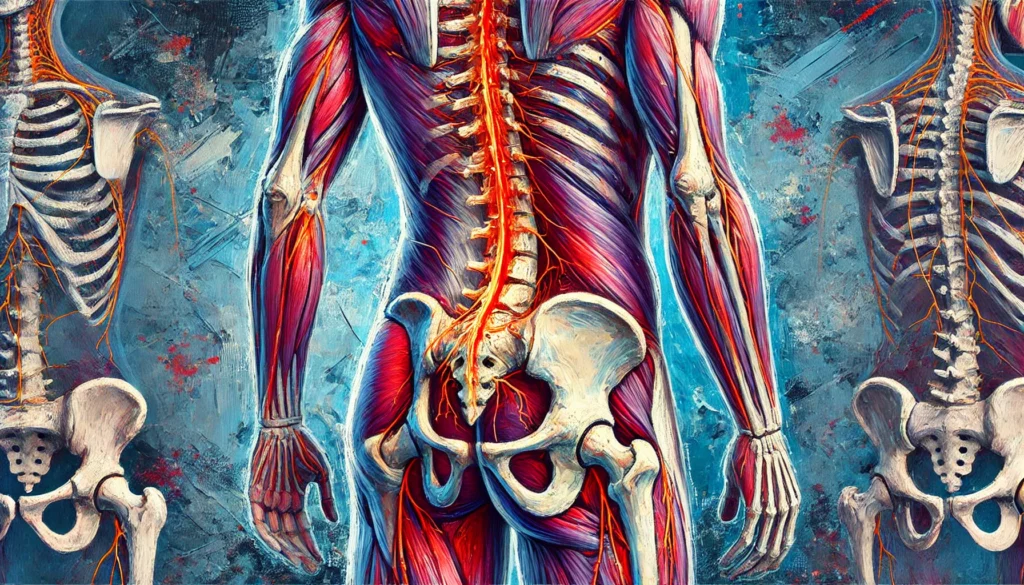
Benefits and Risks of Surgical Intervention.
Types of surgical procedures for sciatica.
Sometimes, surgery is needed to get pain relief for sciatic nerve pain. When nothing else works, a doctor might suggest an operation. These surgeries try to fix what’s pressing on the sciatic nerve. That pressure is what causes the pain.
One common type is called a discectomy. In this surgery, the doctor removes part of a herniated disc. This gives the nerve more space and helps reduce pain. It’s often used when sciatic nerve pain won’t go away.
Another type is a laminectomy. This removes part of the bone in your spine. It helps take pressure off the sciatic nerve. Both surgeries aim to give pain relief from sciatic nerve pain that hasn’t improved with other treatments.
These surgeries are done in a hospital. Most people go home the same day or the next. After surgery, many feel better and can move more easily. But surgery is usually the last option after trying other things first.
Assessing the risks and benefits.
While surgery can help, there are always risks. It’s important to look at both sides. One benefit is that pain might go away fast. That’s great news for someone struggling with what is sciatica nerve pain every day.
However, surgery is not a sure thing. Sometimes, pain can come back. There might also be problems like bleeding, infection, or nerve damage. These risks are small, but they are still real. That’s why doctors think hard before doing surgery.
Also, not everyone is a good fit for surgery. Some people may have health problems that make surgery harder. Others might get better just by doing sciatic nerve pain relief exercises or using other care.
Still, if the pain is stopping you from living your life, surgery might be worth it. Talking with a doctor helps you understand if it’s a good choice. Together, you can find what is treatment for sciatic nerve pain that works best for your body.
Recovery timelines and expectations.
Recovery from surgery takes time. You won’t feel better right away. Most people rest for a few days and then start moving slowly. Walking a little each day helps the body heal. Over time, the pain should get less and less.
It’s common to need a few weeks or months to get strong again. During this time, follow-up visits with the doctor are important. You might also do physical therapy. These visits and activities help bring full pain relief for sciatic nerve pain.
It’s also helpful to stay positive and patient. Healing isn’t the same for everyone. Some feel better quickly, while others need more time. Either way, keeping a good attitude makes recovery easier.
Eventually, most people feel much better. They can walk more, sleep better, and enjoy life again. For many, this journey brings real pain relief from sciatic nerve pain that wouldn’t go away before surgery.
When to consider surgery as an option.
Surgery is not for everyone. It’s a big step. Before thinking about surgery, people usually try other things. These include medicine, rest, and sciatic nerve pain relief exercises. If those don’t work, it might be time to talk about surgery.
Doctors may suggest surgery if pain is very strong and won’t stop. Trouble walking, numbness, or weakness are other signs. These problems mean the nerve is being squeezed too much. Then, surgery may be needed for real pain relief from sciatic nerve pain.
It’s also important to ask questions. Ask your doctor about the risks, how long healing takes, and what results to expect. Understanding all the facts helps you decide the best path for what is treatment for sciatic nerve pain.
Choosing surgery is a big choice, but sometimes it’s the right one. With the right care and time, it may bring big changes. For many, surgery offers hope and lasting pain relief for sciatic nerve pain.
Home Remedies and Natural Pain Relief
Heat and ice therapy for immediate relief.
Using heat or ice is a simple way to feel pain relief for sciatic nerve pain. When pain first shows up, putting ice on the area helps bring down swelling. Cold slows blood flow, which can stop sharp pain and calm the area. Use a cold pack wrapped in a towel for 15 to 20 minutes.
Later on, heat works even better. Heat helps muscles relax and gets more blood to the sore spot. A warm towel or heating pad can do the trick. Just don’t sleep with it or let it get too hot. Take breaks in between so your skin stays safe.
You can switch between ice and heat, too. Start with ice for a few days, then move to heat after that. This is one of the easiest ways to get pain relief from sciatic nerve pain at home. It can work fast and doesn’t cost much at all.
Always check your skin so it doesn’t get too cold or too warm. If your skin turns red or starts to hurt, stop right away. These methods don’t cure the problem, but they help you feel better quickly.
The role of herbal supplements.
Some people like using herbs to get pain relief for sciatic nerve pain. These herbs come in teas, pills, or drops. Turmeric is one of the most popular herbs for pain. It helps lower swelling in the body. Ginger is another good one that fights pain and helps with stiff muscles.
Another herb that helps is devil’s claw. It’s been used for years for back and joint pain. Some people say it works better than regular pills. Just be sure to talk to a doctor before trying anything new. Even natural things can have side effects or mix with other meds.
Sometimes, people try willow bark. It’s kind of like aspirin and helps lower pain. Just remember, even though herbs are natural, you still need to be careful. Start with small doses and watch how your body feels.
Using herbs is a gentle way to get some pain relief from sciatic nerve pain. They might not work as fast as medicine, but they are worth trying if you want natural help. They’re especially good when used with other remedies like rest or stretching.
Essential oils and aromatherapy options.
Essential oils smell nice, but they can also help with pain. These oils come from plants and flowers. People use them in massages, baths, or even just to breathe in. Some oils help you relax, while others calm pain. They’re a great choice for natural pain relief for sciatic nerve pain.
Lavender oil is well known for helping you relax. It doesn’t take the pain away, but it helps your mind feel better. Peppermint oil, on the other hand, gives a cool feeling and helps numb the area. It’s great for sore muscles and can be used in a rub.
Eucalyptus is another good choice. It can help with swelling and makes breathing easier too. Mix these oils with a gentle lotion and rub them on the sore spot. Don’t use them alone because pure oils can hurt your skin.
If you feel stress from the pain, try aromatherapy. Breathe in the scent while resting or stretching. This simple step can make a big difference and give comfort when asking, “what about sciatic nerve pain?”
Topical creams and patches.
Another easy way to get pain relief from sciatic nerve pain is with creams and patches. These go right on your skin, so they work where it hurts. Many creams have menthol, capsaicin, or lidocaine. These help stop pain signals from reaching your brain.
Menthol gives a cool, tingly feel that makes your body focus less on the pain. Capsaicin comes from chili peppers. It burns a little at first but helps block pain over time. Lidocaine numbs the area and is often used for nerve pain.
Some patches last for hours and don’t need rubbing in. That’s great if touching your back hurts too much. You can put one on and keep moving without worrying about mess or smell.
These are smart options when wondering, “what is treatment for sciatic nerve pain?” They are easy to use, not messy, and don’t upset your stomach like pills can. Just be sure to read the label before using and test a small spot first.
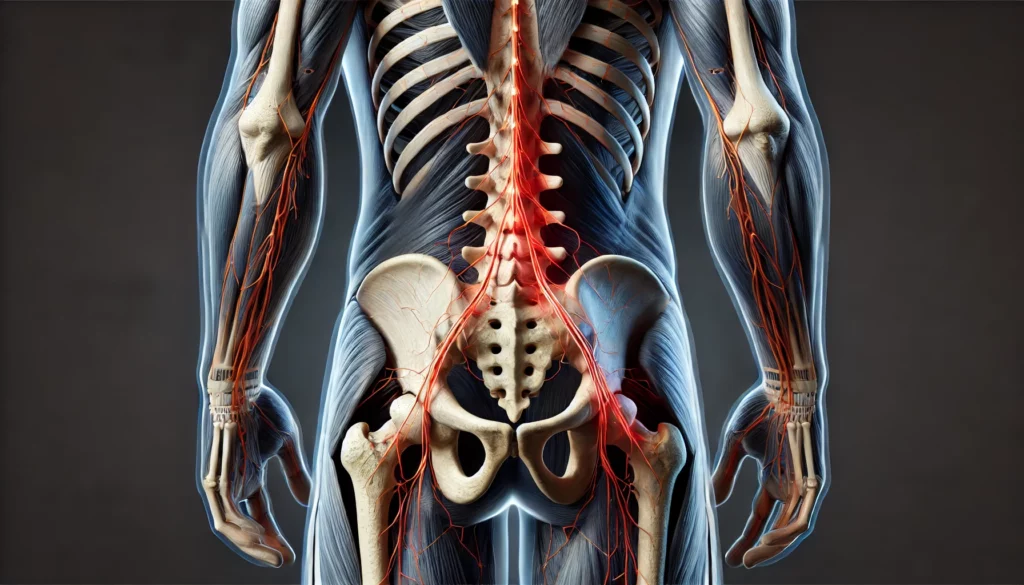
Would No Youchie Help with Sciatic Nerve Pain?
How No Youchie Ingredients Target the Pain and Inflammation.
- Menthol and camphor provide fast cooling and warming to distract pain signals.
- Emu oil, hemp oil, and arnica help reduce swelling deep in muscles and joints.
- Aloe vera and lanolin soothe irritated skin and promote better absorption.
- Natural oils like eucalyptus and lavandin offer relaxing and calming effects.
Which Formula Works Best for Sciatic Nerve Pain?
- Regular Duty for early signs or mild muscle soreness around the nerve.
- Pro Duty when pain is sharp, stubborn, or triggered by flare-ups.
- Xtra Duty for deep muscle tension, stiffness, and chronic discomfort.
- When and how to use each formula (morning, night, during activity).
How to Use No Youchie for Sciatic Nerve Pain Relief.
- Apply generously to lower back, glutes, or legs (avoid broken skin).
- Use after stretching or heat/ice for better results.
- Massage in circular motion for deeper muscle penetration.
- Reapply up to 3–4 times daily as needed for consistent relief.
Emerging Treatments and Research
Innovations in Sciatic Nerve Pain Treatment
Doctors and scientists keep working on better ways to help with sciatic nerve pain. New treatments are being made to give faster and longer-lasting relief. Some of these new ideas are already helping people feel better every day. Others are still being tested, but they look very promising.
One of the exciting things happening is the use of special tools and machines. These can send tiny electric signals or light into the body to calm down pain. While these sound fancy, they are made to be simple and safe. People who have tried them say they sometimes give fast pain relief from sciatic nerve pain.
Another new idea is called targeted drug delivery. This means the medicine goes straight to the sore nerve instead of all over the body. That way, people may feel better without so many side effects. Because it works quickly, this could help with pain relief for sciatic nerve pain in the future.
Even though many new things are still being studied, people should stay hopeful. The more we learn, the better the care will be. Every new idea helps doctors understand what is treatment for sciatic nerve pain and how to give the best help possible.
The Potential of Regenerative Medicine and Stem Cells.
Another big step in treating nerve pain is using the body’s own healing tools. This is called regenerative medicine. It helps the body fix the hurt areas instead of just covering up the pain. Stem cells are a big part of this exciting new field.
Stem cells are like tiny building blocks that can turn into other cells. Doctors are learning how to place them near the sciatic nerve to help it heal. Over time, this might lower pain and help people move better. Although it’s still new, it may offer strong pain relief from sciatic nerve pain in tough cases.
Right now, stem cell treatment is mostly used in tests and special clinics. But many experts believe it could be a big part of the future. That’s because it goes deeper than just pain—it helps fix the problem. For people asking what is treatment for sciatic nerve pain, stem cells could be a real answer soon.
It’s also worth noting that other parts of regenerative medicine, like platelet therapy, are being tested. These use parts of your blood to heal sore spots. Over time, these safe and natural choices may offer more gentle pain relief for sciatic nerve pain.
Recent Studies and Promising Developments.
Many new studies have looked at how people feel after trying new treatments. These studies help doctors find out what works best and what needs more testing. One study showed that laser therapy may help lower swelling around the sciatic nerve.
Other research has shown that deep tissue treatments may give longer-lasting comfort. While some people still need medicine or rest, new tools give them more choices. This is important for people wondering what is sciatica nerve pain and how to handle it better.
A few studies even looked at sciatic nerve pain relief exercises. When used with new treatments, exercise made healing faster. The mix of movement and new therapy may become the best plan in the future. That’s good news for anyone searching for real relief from sciatic nerve pain.
Even if not every study has answers, each one gets us closer. As more people join trials and share their stories, the science gets stronger. And soon, we may have even more choices for what about sciatic nerve pain and how to manage it better.
Integrative Approaches to Managing Pain.
Sometimes, the best plan is not just one treatment—it’s a mix of many. This is called an integrative approach. It may include medicine, exercise, calming tools, and healthy habits. When used together, they often bring better results.
For example, some people use massage and acupuncture along with their doctor’s care. Others try herbs, heat packs, and breathing exercises. This mix helps the body and mind feel better together. It also gives people more control over their own healing.
One good thing about these plans is they are flexible. People can change them as they feel better or worse. If you’re asking what is sciatic nerve pain, this approach may give helpful answers over time. Plus, it often brings safe and long-lasting pain relief for sciatic nerve pain.
While not every tool will work for every person, having more options is always good. The more ways we try, the closer we get to the best care. Whether it’s stretching, rest, or something new, it all brings us closer to full pain relief from sciatic nerve pain.

Conclusion.
Learning what is sciatica nerve pain is the beginning of an important journey toward healing. Sciatica is more than just a simple ache in the lower back. It can affect your posture, balance, sleep, and daily routine. Fortunately, there are many paths to explore when looking for pain relief for sciatic nerve pain, and your plan can be personalized to fit your unique situation.
From sciatic nerve pain relief exercises to newer medical innovations, there are many tools to help manage and minimize the discomfort. What matters most is knowing which options are right for you. Whether you choose physical therapy, acupuncture, or surgery, there is real hope for pain relief from sciatic nerve pain.
At-home remedies and lifestyle changes can also make a big difference. Taking steps like using good posture, staying active, and practicing stretching routines are simple yet powerful ways to find pain relief for sciatic nerve pain. Even small changes in your routine can lead to noticeable improvements.
So, what is treatment for sciatic nerve pain? It’s a mix of education, consistency, and smart choices. With this guide and the right mindset, you can feel empowered to take control of your health. Relief is possible, and your path to healing begins today.
[mailerlite_form form_id=1]